Hidden Symbols at Porto Cathedral | Gargoyles & Heraldry Guide
Find and interpret overlooked details at Sé do Porto, including symbolic carvings, heraldic traces, and protective motifs.
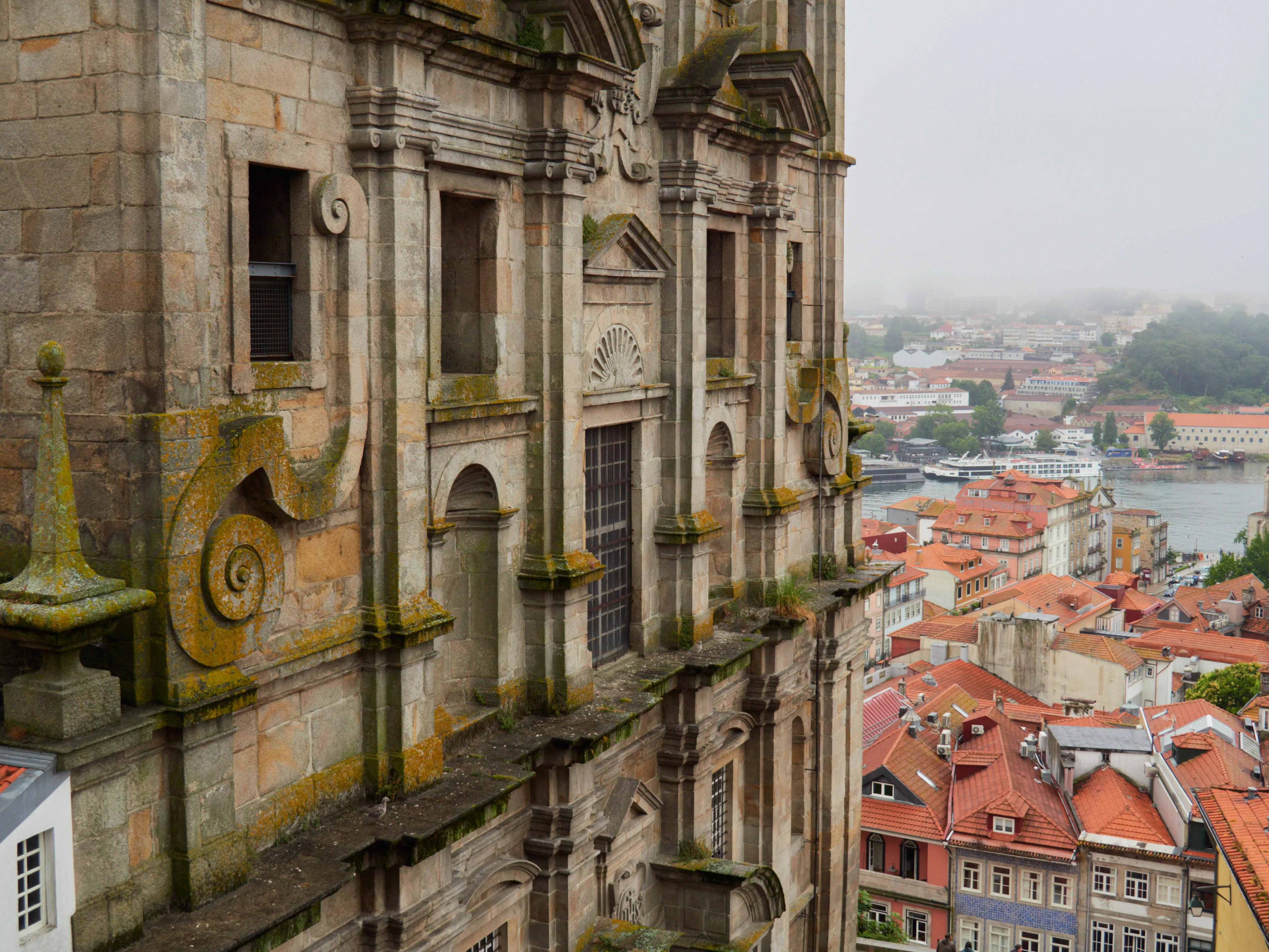
Some of Porto Cathedral's richest stories are not central. They live at edges: a corner carving, a weathered emblem, a face half-eroded by rain.
Detail hunt
- Look high before looking close.
- Use oblique light to reveal relief.
- Revisit the same element from three angles.
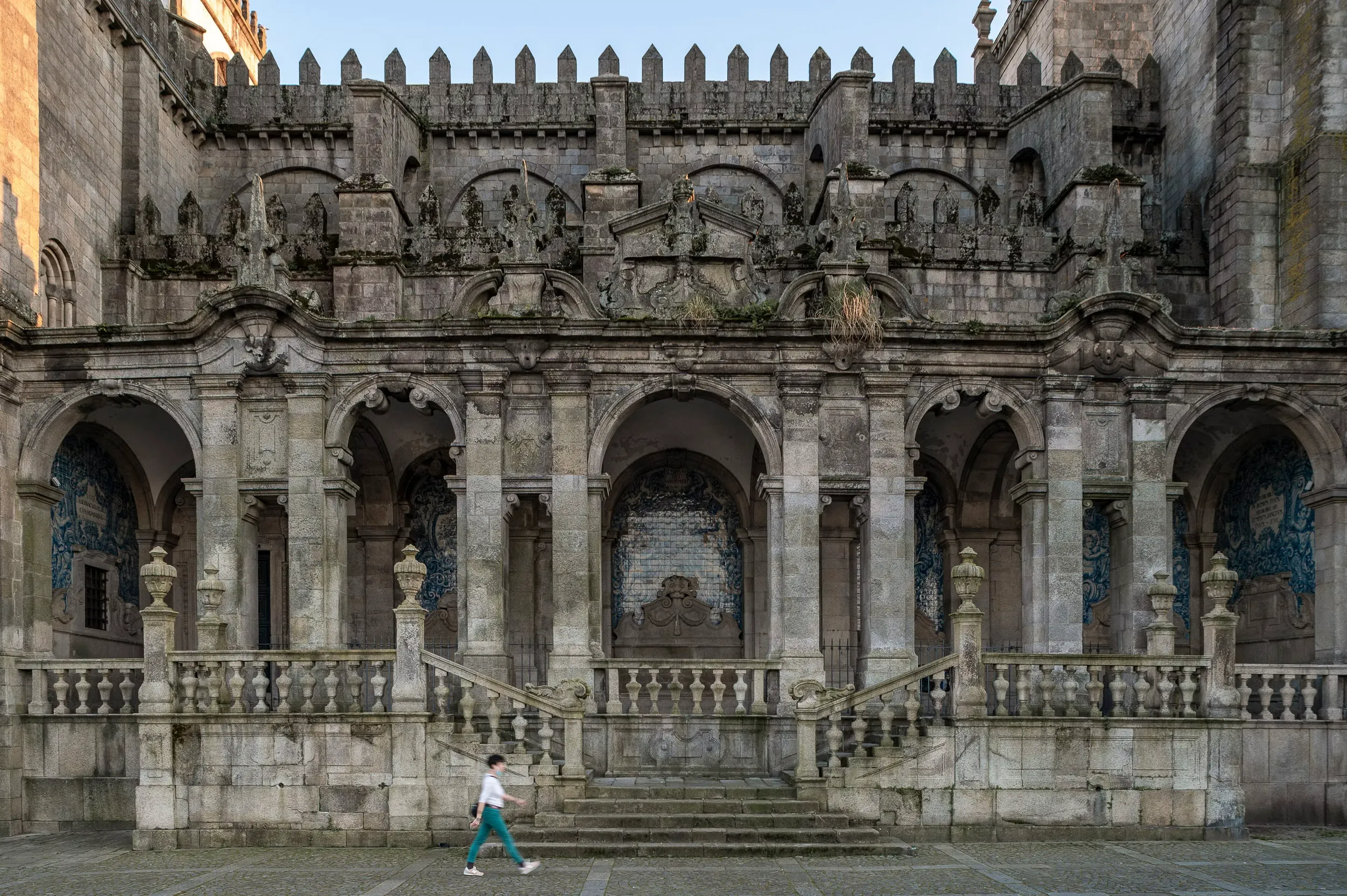
Symbol notebook
| Motif | Possible function |
|---|---|
| Hybrid creature | Moral warning / protective image |
| Heraldic sign | Patronage and authority |
| Floral geometry | Order, continuity, regeneration |
What survives weather usually carries intention.
Bring a small notebook; symbols become clearer when described in words, not only captured in photos.
Why hidden details matter
Peripheral carvings are where institutions leave subtle signatures: moral themes, patronage traces, and craft identity. Because these details are less curated for quick consumption, they often preserve ambiguity. That ambiguity is valuable; it keeps interpretation active.
Instead of asking for a single correct reading, build a range of plausible ones supported by position, weathering, and neighboring motifs. This approach is closer to field archaeology than to social-media sightseeing.
Observation matrix
| Question | Example |
|---|---|
| Where is it placed? | Threshold / corner / upper band |
| How worn is it? | High erosion may indicate age or exposure |
| What surrounds it? | Heraldry, foliage, geometric framing |
The best discoveries at Sé are often the ones no signboard points to.
关于作者

Porto Cathedral Editorial Team
撰写这份指南的初衷,是帮助访客以更完整的背景与更从容的心态走进波尔图主教座堂——不止停留在匆匆一瞥,而是让每一处礼拜空间、石质通道与观景平台都成为可被真实感受的故事片段。
Tags
Comments (0)
Loading comments...